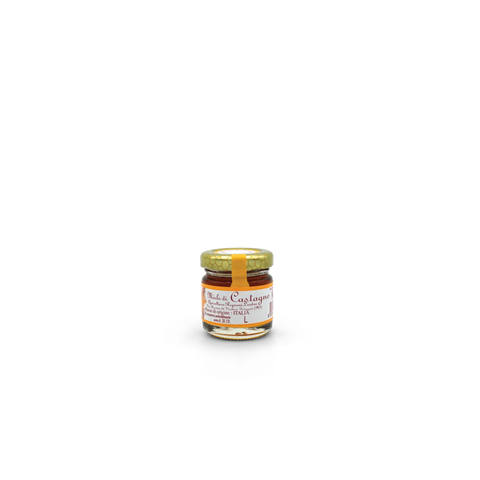
Italy is a true treasure trove of beekeeping biodiversity, with over 50 honey varieties that reflect the botanical and climatic richness of the peninsula. From the Alps to Sicily, each region offers unique honeys that tell the story of the territory, seasonal blooms, and ancient beekeeping traditions.
Italian Beekeeping Heritage: A Treasure of Biodiversity
Italy boasts one of Europe's oldest beekeeping traditions, with an annual production exceeding 25,000 tons of honey. The extraordinary geographical and climatic variety of our country, from alpine to Mediterranean environments, creates ideal conditions for a rich production of single-flower and wildflower honeys with characteristics unique in the world.
Honey Regions: A Journey from North to South
Each Italian region contributes its own specialties to the national honey mosaic:
- North: mountain honeys, acacia, linden, rhododendron
- Center: Apennine wildflowers, sunflower, sulla
- South and Islands: citrus, eucalyptus, strawberry tree, thyme
Northern Italy Honey Varieties
Rhododendron Honey
Production area: Alpine valleys above 3,280 feet (1,000 meters)
Harvest period: June-July
Organoleptic characteristics:
- Color: crystalline white to light cream
- Aroma: delicate, floral with vanilla notes
- Flavor: sweet, balanced with persistent aftertaste
- Consistency: fine and creamy crystallization
- Peculiarity: Considered one of the world's most precious honeys, rhododendron grows only at high altitudes and blooms for just a few weeks per year.
Fir Honey
Production area: Coniferous forests of the Dolomites
Harvest period: May-August
Organoleptic characteristics:
- Color: dark amber, almost black
- Aroma: intense, resinous with balsamic notes
- Flavor: slightly sweet, with caramel and licorice notes
- Consistency: remains liquid for long periods, slow crystallization
- Particularity: Derived not from nectar but from honeydew, a sugary substance produced by insects living on fir trees.
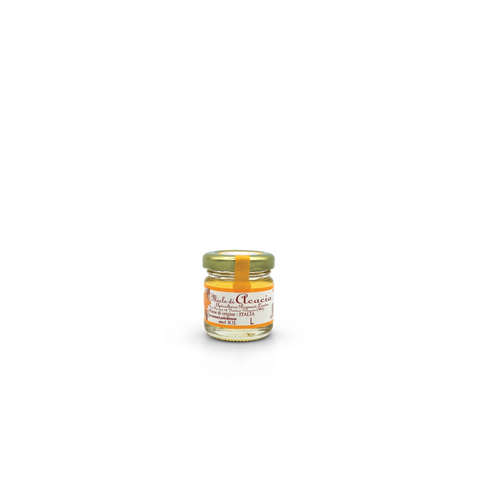
Acacia Honey
Production area: Monferrato and Langhe hills
Harvest period: May-June
Organoleptic characteristics:
- Color: transparent like water, slightly straw-colored
- Aroma: very delicate, subtle floral
- Flavor: pure sweet, without aftertaste
- Consistency: remains liquid for years, doesn't crystallize
- Ideal uses: Perfect for sweetening delicate beverages, ice cream, baked goods.
Linden Honey
Production area: Piedmontese alpine valleys
Harvest period: June-July
Organoleptic characteristics:
- Color: amber yellow when liquid, light beige crystallized
- Aroma: intense, mentholated with balsamic notes
- Flavor: fresh, balsamic with slightly bitter finish
- Consistency: medium and granular crystallization
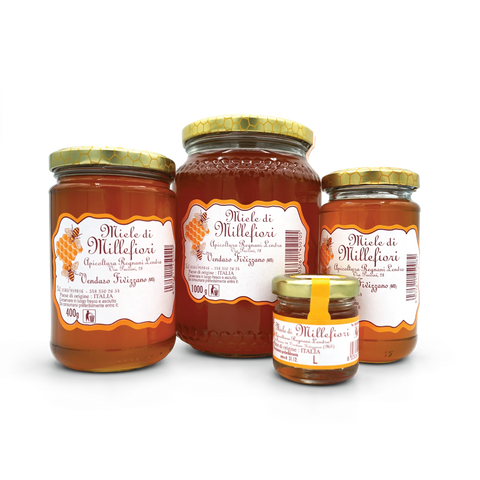
Lowland Wildflower Honey
Production area: Po Valley
Harvest period: April-September
Organoleptic characteristics:
- Color: variable from yellow to light brown
- Aroma: complex, floral with fruity notes
- Flavor: balanced, changes according to season
- Consistency: variable crystallization
Dandelion Honey
Production area: Veneto pre-Alps
Harvest period: April-May
Organoleptic characteristics:
- Color: intense yellow, almost orange
- Aroma: characteristic, pungent with herbaceous notes
- Flavor: decisive, with bitter finish
- Consistency: very rapid and fine crystallization
Tuscany: The Heart of Italian Honey
Sunflower Honey
Production area: Maremma and Val di Chiana
Harvest period: July-August
Organoleptic characteristics:
- Color: intense golden yellow
- Aroma: fruity, reminiscent of peach and apricot
- Flavor: sweet with citrus acidic note
- Consistency: rapid and fine crystallization
Heather Honey
Production area: Mediterranean scrubland of Maremma
Harvest period: September-October
Organoleptic characteristics:
- Color: dark amber red
- Aroma: intense, with caramel and cooked fruit notes
- Flavor: very characteristic, astringent
- Consistency: gelatinous, thixotropic (liquefies when stirred)
Sulla Honey
Production area: Roman countryside and hilly areas
Harvest period: May-June
Organoleptic characteristics:
- Color: candid white when crystallized
- Aroma: delicate, floral with almond notes
- Flavor: sweet and delicate
- Consistency: very fine and compact crystallization
Apennine Wildflower Honey
Production area: Sibillini Mountains and Marche Apennines
Harvest period: May-August
Organoleptic characteristics:
- Color: amber with reddish reflections
- Aroma: complex, with mountain herb notes
- Flavor: balanced, with persistent finish
- Consistency: medium crystallization
Southern Italy and Islands Varieties
Bergamot Honey
Production area: Ionian coast of Reggio Calabria
Harvest period: March-April
Organoleptic characteristics:
- Color: light amber with golden reflections
- Aroma: intense citrus, characteristic of bergamot
- Flavor: fresh, with citrus and floral notes
- Consistency: slow and coarse crystallization
Orange Honey
Production area: Catania plain and Etna area
Harvest period: April-May
Organoleptic characteristics:
- Color: ivory white, almost transparent
- Aroma: intensely citrusy, floral
- Flavor: sweet with characteristic acidic note
- Consistency: fine and homogeneous crystallization
- Particularity: Sicilian orange honey is considered among the world's best for aromatic intensity.
Lemon Honey
Production area: Eastern Sicilian coast
Harvest period: March-April
Organoleptic characteristics:
- Color: crystalline white
- Aroma: fresh, with intense lemon notes
- Flavor: delicate with citrus finish
- Consistency: fast and fine crystallization
Eucalyptus Honey
Production area: Trapani and Agrigento areas
Harvest period: May-July
Organoleptic characteristics:
- Color: dark amber with reddish reflections
- Aroma: balsamic, intense with mentholated notes
- Flavor: characteristic, with balsamic finish
- Consistency: slow and coarse crystallization
Strawberry Tree Honey
Production area: Sardinian Mediterranean scrubland
Harvest period: October-December
Organoleptic characteristics:
- Color: dark amber, almost brown
- Aroma: intense, with roasted coffee notes
- Flavor: characteristic bitter, very persistent
- Consistency: slow and irregular crystallization
- Uniqueness: It's the only naturally bitter honey, considered an absolute specialty.
Thistle Honey
Production area: Central and southern Sardinia
Harvest period: May-June
Organoleptic characteristics:
- Color: light amber
- Aroma: vegetal, with herbaceous notes
- Flavor: balanced with slightly spicy finish
- Consistency: medium crystallization
Asphodel Honey
Production area: Sardinian highlands
Harvest period: April-May
Organoleptic characteristics:
- Color: ivory white
- Aroma: delicate, floral
- Flavor: sweet and velvety
- Consistency: fine crystallization
Seasonality and Bloom Calendar
Spring (March-May)
- Dandelion (April-May)
- Acacia (May-June)
- Sulla (May-June)
- Orange and lemon (March-May)
- Asphodel (April-May)
Summer (June-August)
- Rhododendron (June-July)
- Linden (June-July)
- Sunflower (July-August)
- Summer wildflowers
- Eucalyptus (May-July)
Autumn (September-November)
- Heather (September-October)
- Strawberry tree (October-December)
- Fir honeydew (August-October)
- Late wildflowers
Winter (December-February)
- Bee rest period
- Consumption of produced honeys
- Preparation for new season
Factors Influencing Quality
Beekeeping Terroir
Like wine, honey also has the concept of terroir:
- Soil composition: influences wild flora
- Microclimate: determines flowering times
- Altitude: modifies organoleptic characteristics
- Biodiversity: enriches aromatic profile
Production Techniques
- Nomadic beekeeping: moving hives to follow blooms
- Stationary beekeeping: local production typical of territory
- Extraction methods: cold extraction to preserve properties
- Filtration: maintaining pollen and microelements
Recognizing Quality: Distinctive Characteristics
Authenticity Indicators
- Color: consistent with declared variety
- Aroma: intense and characteristic of botanical source
- Crystallization: natural and specific for each variety
- Origin: traceability of production area
Gastronomic Uses by Variety
Delicate Honeys (Acacia, Sulla, Asphodel)
- Beverage sweetening
- Ice cream and sorbets
- Delicate desserts
- Pairing with fresh cheeses
Medium Intensity Honeys (Wildflower, Sunflower, Orange)
- Traditional pastry
- White meat marinades
- Sweet and sour sauces
- Semi-aged cheeses
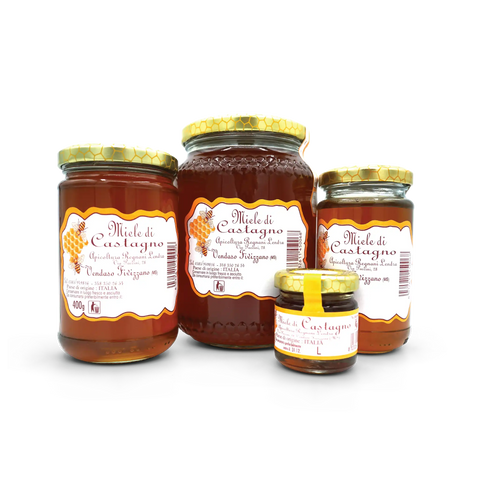
Intense Honeys (Chestnut, Strawberry Tree, Heather)
- Aged cheeses
- Red meats
- Chocolate desserts
- Liqueurs and spirits
Italy represents a unique heritage in the world for variety and quality of its honeys. Each region, each territory, each season offers different nuances of this golden nectar, creating a mosaic of flavors and aromas that reflects the extraordinary biodiversity of our country.
Knowing Italian honey varieties means embarking on a sensory journey through landscapes, traditions, and cultures that have made the peninsula a worldwide reference point for quality beekeeping.
In our store you can discover a careful selection of Italian honeys, representative of the best regional productions. Each jar tells a story of territory, beekeeping passion, and millennial traditions, offering you the opportunity to taste the authentic essence of Italy in every spoonful.
Explore our collection of Italian honeys and let yourself be guided on this extraordinary journey to discover the authentic flavors of our land, where each variety represents a unique chapter in the great book of Italian biodiversity.