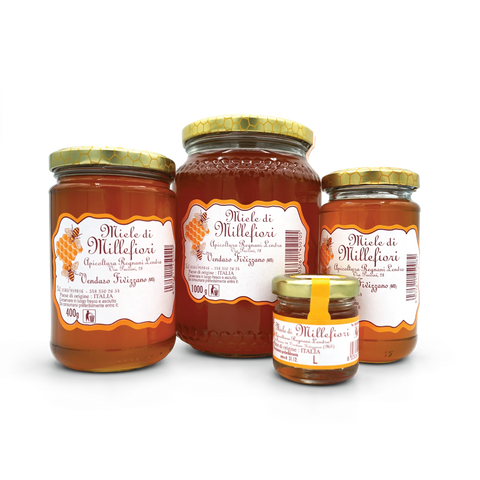
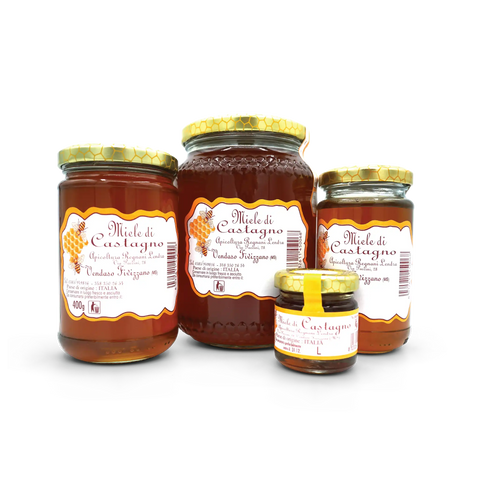
Every jar of honey we purchase tells a bigger story than what appears on the surface. Behind that golden sweetness lies a complex ecosystem of relationships between bees, plants, territory, and human communities. Our purchase choices are never neutral: they can support practices that regenerate biodiversity and protect pollinators, or contribute to systems that impoverish the environment.
The Global Pollinator Crisis: Numbers and Consequences
The Silent Decline: Alarming Scientific Data
The international scientific community has documented a collapse in pollinator populations that threatens global food security and ecosystem stability.
European data (EEA Report 2023):
- 37% of European bee species in decline over the last 30 years
- 25% of butterfly species at risk of extinction
- €15 billion annually the value of pollination for European agriculture
- 75% of food crops dependent on animal pollination
Italian situation (ISPRA 2023):
- 20% reduction in honey bee colonies since 2010
- 40% of wild bee species threatened
- 1,500 native bee species in Italy, of which 200 are endemic
- €2 billion annually the economic contribution of pollination
Causes of Decline: A System in Crisis
- Habitat loss: Agricultural intensification has eliminated 70% of European stable meadows in the last 50 years, drastically reducing nectar resources.
- Pesticide use: Neonicotinoids and other agrochemicals cause disorientation, memory loss, immune system weakening, and bee death.
- Climate change: Alterations in seasonal cycles create misalignments between flowering and pollinator biological cycles.
- Pollution: Fine particulate matter, electromagnetic pollution, and chemical contaminants interfere with bee orientation and communication systems.
- Emerging diseases: Varroa destructor, Nosema, deformed wing virus spread rapidly in already weakened populations.
Sustainable Beekeeping: Principles and Regenerative Practices
Foundations of Ethical Beekeeping
Sustainable beekeeping goes beyond simple honey production, embracing a philosophy that centers bee welfare and ecosystem health.
Animal Welfare: Respecting Bee Ethology
Respectful hive management:
- Minimal interventions that don't stress colonies
- Maintaining honey reserves necessary for winter
- Using hives that allow natural behaviors
- Avoiding genetic manipulation and extreme selection
Natural feeding:
- Always leaving 30-40% of produced honey to bees
- Avoiding systematic artificial feeding
- Promoting botanical diversity in foraging territories
Preventive health control:
- Certified organic beekeeping practices
- Use of natural treatments against parasites
- Continuous monitoring of colony health status
- Isolation of sick colonies without antibiotic use
Biodiversity and Habitat Conservation
Creating ecological corridors:
- Planting native melliferous species
- Maintaining uncultivated areas rich in wild flora
- Collaboration with farmers for bee-friendly practices
- Restoration of degraded habitats
Polyculture vs Monoculture:
- Positioning hives in areas with at least 15-20 nectar species
- Avoiding territories dominated by intensive monocultures
- Rotation of beekeeping sites to reduce environmental pressure
- Support for organic and biodynamic agriculture
Demeter: Biodynamic Beekeeping
Applied biodynamic principles:
- Apiary management according to cosmic and lunar rhythms
- Use of biodynamic preparations to strengthen colonies
- Complete integration with agricultural ecosystem
- Maximum respect for each colony's individuality
Measurable results:
- Winter mortality 25% lower than conventional beekeeping
- Honey production with 20% superior antioxidant profile
- Increased natural resistance against diseases
How to Recognize Ethically Produced Honey
Transparent Labeling: What to Look For
Mandatory Quality Information
Precise geographical origin:
- Indication of country and, preferably, production region
- For EU honeys: avoid wording "Blend of honeys originating in the EU"
- Prefer honeys with specific indication: "Italian honey from Tuscany"
Botanical variety:
- Clear specification: "Acacia Honey," not generic "Honey"
- Melissopalynological analysis for unifloral varieties
- Indication of harvest season
Quality Ethics Indicators
Packaging and Materials
-
Environmental sustainability:
- Reusable glass jars, preferably local
- Labels on recycled or FSC-certified paper
- Absence of blister packs and excessive packaging
- Caps in natural or easily recyclable materials
-
Ethical dimensions:
- Formats reflecting family consumption (250g-500g)
- Avoid industrial formats suggesting mass production
- Gift packages in sustainable materials
Fair Price: Neither Too Low, Nor Excessive
-
Sustainable price indicators:
- Italian organic honey: €18-35/kg (2024)
- Artisanal varietal honey: €15-28/kg
- Industrial honey: under €12/kg (often unsustainable)
-
Be wary of:
- Excessively low prices that don't cover sustainable production costs
- Excessive offers suggesting surplus or quality problems
- Uniform prices for different varieties (sign of industrial standardization)
Traceability and Transparency
Information about the Beekeeper
-
What should be available:
- Name and contacts of beekeeper or cooperative
- Production methods and company philosophy
-
Communication channels:
- Company website with detailed information
- Social media presence with apiary updates
- Participation in local markets and territorial events
- Availability for guided visits to apiaries
The Consumer's Role: Every Purchase is a Vote
Circular Economy of Sustainable Honey
Virtuous circuit:
- Conscious consumer → purchases sustainable honey
- Ethical beekeeper → receives fair price for sustainable practices
- Green investments → habitat improvement and eco-friendly techniques
- Increased biodiversity → greater ecosystem resilience
- Superior quality products → consumer satisfaction
Measurable economic impact:
- Sustainable beekeeping creates 40% more jobs per hectare
- Territories with organic beekeeping register +25% rural tourism
Multiplier Effect of Individual Choices
Average Italian family (2.3 people):
- Consumes 1.8 kg of honey per year
- Sustainable choice → direct support to 0.15 hectares of bee-friendly habitat
- Indirect reduction of 2.5 kg CO2 equivalent annually
- Contribution to conservation of 45 local plant species
Seasonal planning:
- Purchase of fresh honeys during harvest period
- Support for rare and endangered varieties
- Participation in solidarity purchase groups (GAS)
Bee-friendly plants for every season:
- Spring: Rosemary, lavender, calendula, borage
- Summer: Sunflower, phacelia, cosmos, zinnias
- Autumn: Ivy, aster, goldenrod
Sustainable design:
- Complete elimination of pesticides and herbicides
- Creation of wild unmowed areas
- Installation of "bee hotels" for solitary bees
- Small fountains or water bowls for drinking
Pollinator-Friendly Balconies and Terraces
-
Even in small spaces:
- Pots with aromatic plants (basil, thyme, oregano)
- Planters with prolonged flowering successions
- Avoid sterile ornamental flowers (double petunias, begonias)
- Prefer ancient and rustic varieties
Positive Environmental Impacts of Sustainable Beekeeping
Quantification of benefits:
- One sustainable hive pollinates 2-3 km² of territory
- 35% increase in wild seed production
- 28% increase in plant genetic diversity
- Support for 1,500-2,000 plant species per colony
Ecosystem cascade effects:
- Greater food availability for 150+ bird species
- 40% increase in butterfly population in surrounding areas
- 25% increase in beneficial insect biomass
- Stabilization of small mammal populations
Carbon Sequestration and Climate
-
Contribution to climate change mitigation:
- Each hectare of melliferous meadow captures 3.2 tons CO2/year
- Sustainable beekeeping favors low-emission agricultural practices
- 15% reduction in synthetic fertilizer use in adjacent areas
- Increased climate resilience of rural ecosystems
Rural Landscape Regeneration
Conservation of Ancient Varieties
-
Genetic preservation:
- Maintenance of 200+ traditional fruit tree cultivars
- Conservation of 150+ ancient cereal varieties
- Protection of 300+ wild edible plant species
- Safeguarding of traditional pastoral ecosystems
-
Cultural valorization:
- Maintenance of traditional rural knowledge
- Conservation of historical landscapes (terracing, countryside hedges)
- Support for related local crafts (basketry, carpentry)
- Promotion of sustainable and educational tourism
Documented benefits:
- 42% increase in pollinator diversity
- 60% reduction in colony mortality
- 30% increase in surrounding agricultural productivity
Regenerative Organic Alliance
Principles of regenerative beekeeping:
- Continuous improvement of soil health
- Maximization of animal welfare
- Social justice for workers and communities
Measurable results:
- 25% increase in soil organic matter
- 35% increase in soil water retention
- 50% growth in microbial biodiversity
The Future of Sustainable Beekeeping
Sustainable Urban Beekeeping
Expected growth:
- +400% organic certified urban hives
- Integration in 50+ European cities in sustainability plans
- 2,000+ green roofs with integrated beekeeping
- 15,000+ new green jobs in urban beekeeping
Innovative Green Technologies
Developments in progress:
- Solar-powered self-feeding hives for monitoring
- AI for flowering prediction and placement optimization
- Biodegradable materials for hives and accessories
- Drones for supplemental pollination in degraded areas
Emerging Markets
New opportunities:
- Honey as certified nutraceutical
- Beekeeping tourism and educational experiences
- Certified pollination services for organic farmers
- Sustainable derivative products (cosmetics, supplements)
Sustainability in the honey world is not an option, but an urgent necessity for biodiversity conservation and future food security.
Every purchase choice represents a vote for the kind of world we want to leave to future generations.
When you choose honey produced according to ethical and sustainable principles, you're not simply buying a natural sweetener: you're investing in the conservation of precious ecosystems, supporting regenerative agricultural practices, guaranteeing a future for pollinators, and contributing to the planet's climate resilience.
The power of transformation is in our hands, in our shopping cart, in our daily choices. One jar of sustainable honey at a time, we can build a future where natural sweetness continues to flourish in harmony with the environment that hosts us.
In our store, every honey is selected according to rigorous sustainability and transparency criteria. We don't just sell a product, but support a movement for biodiversity conservation and pollinator welfare. Your conscious choice is the first step toward a sweeter and more sustainable world for all.