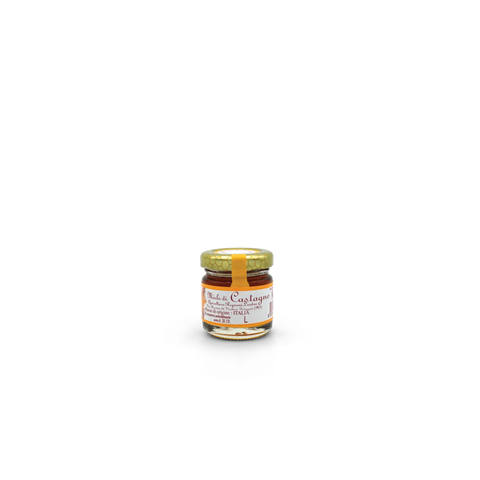
Honey is revolutionizing the world of contemporary mixology, bringing sophistication, aromatic complexity, and a touch of naturalness to glasses that industrial syrups simply cannot offer. The world's best bartenders have rediscovered this millennial ingredient, creating cocktails that celebrate the organoleptic richness of each honey variety and its ability to enhance the finest spirits.
The Honey Revolution in Modern Mixology
Why Professional Bartenders Choose Honey
Contemporary mixology has embraced honey for reasons that go far beyond simple sweetening:
- Aromatic complexity: Each honey variety brings distinctive notes that enrich the drink's organoleptic profile
- Authentic naturalness: In an age of seeking authenticity, honey represents purity against the artificial
- Unique texture: Honey's viscosity creates tactile sensations that syrups and sugars cannot replicate
- Storytelling: Each honey tells a story of territory, allowing bartenders to narrate through drinks
Historical Evolution: From Mead to Modern Cocktails
The connection between honey and alcohol has deep roots in human history:
- Antiquity: Mead was the alcoholic beverage of nobles
- Medieval: Elixirs and monastic liqueurs based on honey
- Modern era: Honey in colonial punches of the 18th century
- Contemporary: Revival in 21st century craft mixology
The Science of Honey in Cocktails
Chemical Principles of Pairing
- Solubility: Honey integrates perfectly with alcohol, creating stable solutions
- Balance: Natural sugars balance acidity in sour cocktails
- Aromatization: Honey's volatile compounds are released with alcohol, intensifying aromas
- Persistence: Viscosity slows evaporation, prolonging taste perception
Temperature and Technique: Secrets of Dissolution
- Cold: Requires vigorous agitation, maintains aromatic integrity
- Hot: Immediate dissolution but loss of volatile notes
- Pre-mixing technique: Gradual dissolution with small amounts of liquid
- Honey syrup: 1:1 dilution with water for ease of use
Varietal Pairings: Honey and Spirits
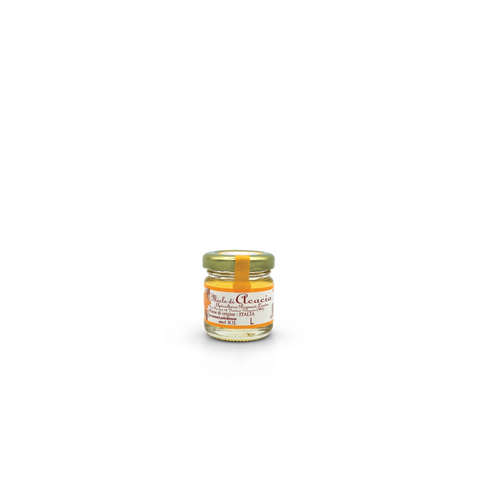
Acacia Honey: Neutral Elegance
Mixology characteristics:
- Pure sweetness without dominant notes
- Doesn't crystallize, perfect for stable syrups
- Enhances without covering delicate flavors
Ideal spirits:
- Gin: Emphasizes delicate botanicals
- Premium vodka: Adds body without altering purity
- White rum: Balanced tropical sweetness
- Tequila blanco: Contrasts vegetal notes
Aromatic profile: Subtle floral, vanilla, sweet almond notes
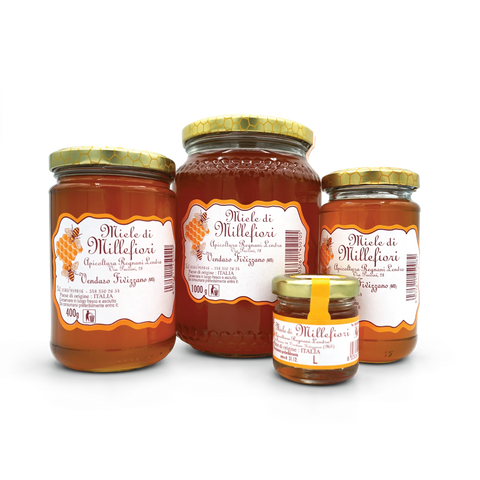
Wildflower Honey: Balanced Complexity
Mixology characteristics:
- Complex but harmonious aromatic profile
- Maximum versatility with all spirits
- Notes that evolve during tasting
Ideal spirits:
- Whisky: Complements malt and cereal notes
- Brandy: Harmony with distilled fruit
- Aged rum: Complexity that integrates with aging
- Cognac: Elegance that respects the spirit's nobility
Aromatic profile: Complex floral, linden honey, herbaceous notes, fruity finish
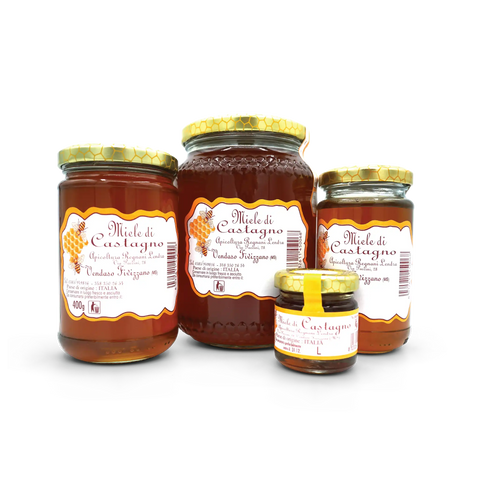
Chestnut Honey: Characteristic Intensity
Mixology characteristics:
- Strong flavor that marks the drink's personality
- Bitter notes that balance sweetness
- Dark color that influences aesthetics
Ideal spirits:
- Peated whisky: Complements smoky notes
- Dark rum: Intensity that holds up to spices
- Bourbon: Sweetness that contrasts vanilla from wood
- Mezcal: Balances smoky character
Aromatic profile: Chestnut, leather, tobacco, balsamic notes, bitter finish
Honeydew: Woody Refinement
Mixology characteristics:
- Unique resinous and balsamic notes
- Less sweet than traditional honey
- Complexity reminiscent of aged spirits
Ideal spirits:
- Single malt: Dialogue with peated notes
- Armagnac: Complexity that adds without competing
- Rhum agricole: Terroir that dialogues with terroir
- Old Tom gin: Sweetness that enhances vintage botanicals
Aromatic profile: Resin, pine, balsamic notes, mountain honey, persistent finish
Professional Techniques for Honey Syrups
Classic Honey Syrup (1:1)
Ingredients:
- 7 oz (200g) quality honey
- 7 fl oz (200ml) warm water (not boiling)
Procedure:
- Heat water to 140°F (60°C) (never boil)
- Add honey gradually while stirring
- Stir until completely dissolved
- Cool to room temperature
- Strain through fine-mesh strainer
- Store in refrigerator for maximum 1 month
Pro tip: Add 1 tablespoon vodka to extend preservation
Flavored Syrups: Master Variations
Honey-Thyme Syrup
Ingredients:
- 7 oz (200g) wildflower honey
- 7 fl oz (200ml) water
- 4 fresh thyme sprigs
Technique: Infuse thyme in hot water for 10 minutes, strain, then add honey
Spiced Honey Syrup
Ingredients:
- 7 oz (200g) chestnut honey
- 7 fl oz (200ml) water
- 2 cinnamon sticks
- 4 whole cloves
- Peel of 1 orange
Technique: Hot spice infusion, straining, honey addition at controlled temperature
Honey-Lavender Syrup
Ingredients:
- 7 oz (200g) acacia honey
- 7 fl oz (200ml) water
- 2 tablespoons dried lavender flowers
Technique: Gentle cold infusion for 4 hours, multiple straining to remove residue
Exclusive Recipes from World's Best Bars
1. "Golden Bee" - The Sophisticated Gin Cocktail
Ingredients:
- 1.7 fl oz (50ml) Premium London Dry Gin
- 0.7 fl oz (20ml) Honey syrup (acacia honey)
- 0.8 fl oz (25ml) Fresh lemon juice
- 0.5 fl oz (15ml) Elderflower liqueur
- 2 dashes Orange bitters
- Lemon twist and fresh thyme sprig for garnish
Technique:
- Chill coupe glass in freezer
- Combine all ingredients in shaker with ice
- Vigorous shake for 15 seconds
- Double strain into chilled coupe
- Garnish with lemon twist and fresh thyme
Taste profile: Fresh, floral, balanced between sweet and sour, clean finish with herbaceous notes
2. "Smoke & Honey" - The Intense Whisky Cocktail
Ingredients:
- 2 fl oz (60ml) Scottish whisky (Islay single malt)
- 0.7 fl oz (20ml) Honey syrup (chestnut honey)
- 0.7 fl oz (20ml) Lemon juice
- 0.3 fl oz (10ml) Benedictine
- 3 drops Peated whisky (for smoking)
- Burnt orange peel for garnish
Technique:
- Preheat short tumbler with hot water
- In mixing glass: whisky, honey syrup, lemon juice, Benedictine
- Stir with ice for 30 seconds
- Empty and dry tumbler
- Add 3 drops peated whisky to empty glass
- Flame to create smoke, cover with another glass
- Strain cocktail into smoked glass with fresh ice
- Garnish with burnt orange peel
Taste profile: Smoky, complex, chestnut and leather notes, long persistent finish
3. "Tropical Harmony" - The Exotic Rum Cocktail
Ingredients:
- 1.7 fl oz (50ml) Aged rum (8-10 years)
- 0.5 fl oz (15ml) Honey syrup (wildflower honey)
- 1 fl oz (30ml) Fresh pineapple juice
- 0.7 fl oz (20ml) Lime juice
- 0.3 fl oz (10ml) Falernum
- 3 dashes Angostura bitters
- Grilled pineapple and edible flower for garnish
Technique:
- Light muddle of fresh pineapple piece in shaker
- Add all liquid ingredients
- Vigorous shake with ice for 20 seconds
- Fine strain into tiki glass with crushed ice
- Garnish with grilled pineapple and edible flower
Taste profile: Tropical, complex, balanced sweet-sour, spiced notes, exotic finish
4. "Forest Whisper" - The Honeydew Cocktail
Ingredients:
- 1.5 fl oz (45ml) Botanical gin (with juniper and mountain herbs)
- 0.7 fl oz (20ml) Honey syrup (fir honeydew)
- 0.8 fl oz (25ml) White verjus
- 0.5 fl oz (15ml) Pine liqueur
- 2 dashes Cedar bitters
- Fresh rosemary sprig for garnish
Technique:
- Chill Nick & Nora glass
- Combine ingredients in mixing glass with ice
- Stir gently for 25 seconds
- Strain into chilled glass
- Express rosemary oils over drink
- Garnish with rosemary sprig
Taste profile: Woody, resinous, elegant, balsamic notes, fresh persistent finish
5. "Midnight in Tuscany" - The Italian Bourbon Cocktail
Ingredients:
- 1.7 fl oz (50ml) High-rye bourbon
- 0.7 fl oz (20ml) Honey syrup (chestnut honey)
- 0.7 fl oz (20ml) Italian amaro (Averna type)
- 0.5 fl oz (15ml) Lemon juice
- 0.3 fl oz (10ml) Coffee liqueur
- Orange peel and coffee bean for garnish
Technique:
- Preheat old fashioned tumbler
- In shaker: bourbon, honey syrup, amaro, lemon juice
- Vigorous shake with ice for 15 seconds
- Strain into tumbler with large ice (2x2 inches)
- Float coffee liqueur
- Garnish with orange peel and coffee bean
Taste profile: Rich, complex, coffee and chestnut notes, Italian-American balance, warm finish
Advanced Preparation Techniques
The Perfect Shake with Honey
Common problem: Honey tends to stay at the bottom
Professional solution:
- Add honey first to shaker
- Pour small amount of spirit to dissolve it
- Stir vigorously with bar spoon
- Add other ingredients
- Vigorous shake for at least 15 seconds
Stirring with Honey Syrups
"Reverse Stir" technique:
- Start stirring without ice for 10 seconds
- Add ice gradually
- Continue stirring for another 20 seconds
Result: perfect integration without excessive dilution
Clarification: Clear Honey Cocktails
Milk Punch Technique for honey cocktails:
- Prepare base cocktail with honey
- Add hot milk (1:4 ratio to total volume)
- Let curdle for 2 hours
- Filter through coffee filter
Result: clear cocktail with full flavor
Presentation and Garnish: The Visual Art
Classic Garnishes for Honey Cocktails
- Citrus twists: Essential oils that complement floral notes
- Fresh herbs: Thyme, rosemary, basil for aromatic notes
- Edible flowers: Violets, lavender, roses for visual elegance
- Honeycomb: Spectacular and functional presentation
Advanced Presentation Techniques
Honey Drizzle:
- Liquid honey drizzled on glass inner rim
- Elegant visual effect and gradual flavor
Bee Pollen Rim:
- Glass rim with honey and bee pollen
- Intense flavor and original presentation
Smoke Infusion:
- Smoke cocktail with chestnut wood
- Perfectly complements intense honeys
Gastronomic Pairing: Cocktails and Food
Aperitif
- Golden Bee + Stuffed olives: Italian elegance
- Forest Whisper + Rosemary focaccia: Herbaceous harmony
First Courses
- Smoke & Honey + Amatriciana pasta: Intensity that holds
- Tropical Harmony + Ceviche: Tropical freshness
Main Courses
- Midnight in Tuscany + Florentine steak: Authentic Tuscany
- Golden Bee + Sea bass en croute: Marine delicacy
Desserts
- Honey Old Fashioned + Tiramisu: Balanced sweetness
- Lavender Honey Fizz + Panna cotta: Floral finish
Professional Bartender Tips
Honey Selection: Master Criteria
Marco Russo (Baccano, Rome): "I always choose raw, unpasteurized honeys. Pasteurization kills the subtle aromatic notes that make the difference in a sophisticated cocktail."
Valentino Longo (Zuma, Milan): "For evening cocktails I prefer intense honeys like chestnut or strawberry tree. They have character and hold up to important spirits."
Andrea Graziano (Bu:r, Milan): "The secret is always tasting honey before using it. Each batch is different, even from the same producer."
Storage and Preservation
- Ideal temperature: 64-68°F (18-20°C) for optimal viscosity
- Containers: Dark glass to protect from UV
- Rotation: Use FIFO principle (First In, First Out)
- Quality: Check regularly for signs of fermentation
Service Timing
- Cocktail time: 5:00-7:00 PM for honey aperitifs
- After dinner: 9:00-11:00 PM for intense digestifs
- Service temperature: Honey cocktails served slightly less cold (2-3°C higher)
Future Innovations: Honey Mixology Trends
Controlled Fermentation
- Honey Tepache: Pineapple fermentation with honey for probiotic cocktails
- Honey Kombucha: Fermented base for functional cocktails
Molecular Techniques
- Honey Caviar: Liquid honey spheres that burst in mouth
- Honey Foam: Stable honey foams for innovative textures
Sustainability
- Zero Waste: Complete honeycomb use, wax for aromatic candles
- Local Sourcing: Zero km for territorial honeys in cocktail menus
Personalization
- Bespoke Honey Blends: Blends created for specific cocktails
- Seasonal Rotation: Menus following seasonal blooms
Honey in cocktails represents much more than a trend: it's a return to mixology's authentic roots, where natural, quality ingredients create complete sensory experiences. Each honey variety opens infinite creative possibilities, allowing bartenders to tell stories of territory through the glass.
Great bartenders have understood that honey isn't just a sweetener, but a narrative ingredient capable of transforming a simple drink into a journey through landscapes, seasons, and traditions. The aromatic complexity of each variety offers mixologists a flavor palette impossible to replicate with synthetic ingredients.
In our store you'll find a curated selection of honeys perfect for mixology, each chosen for its unique organoleptic characteristics and ability to elevate the most sophisticated cocktails. From acacia's delicacy to chestnut's power, from wildflower's complexity to honeydew's woody notes: each honey tells its story through your shaker.
Transform your home bar into a laboratory of authentic flavors and discover how honey can revolutionize your mixology, one cocktail at a time.