Honey in World Cuisines: Ethnic Recipes from Ancient Persia to Morocco

July 7, 2025
Honey in World Cuisines

Honey was humanity's first sweetener, and for millennia it has traveled across continents and cultures, becoming a fundamental ingredient in culinary traditions spanning from ancient Mesopotamia to modern ethnic cuisines. Each culture has developed a unique relationship with this golden nectar, creating dishes that tell stories of peoples, migrations, and commercial exchanges.


The Sweet History of Humanity: Honey Through Civilizations


Ancient Egypt

In Egyptian civilization, honey was not just food but a sacred substance. The ancient Egyptians were among the first beekeepers in history, developing sophisticated bee-raising techniques along the Nile. Honey was used for:

  • Mummification: its antibacterial properties were perfect for preservation
  • Ritual offerings: considered food of the gods, it was offered in temples
  • Ceremonial sweets: honey cakes for religious and funeral celebrations


Ancient Greece

The ancient Greeks called honey "terrestrial ambrosia," directly linking it to the food of the Olympian gods. Hippocrates prescribed it as medicine, while cooks used it in preparations such as:

  • Melomakarono: honey cookies still traditional today
  • Archaic baklava: the first versions of the famous honey phyllo pastry
  • Mead: the alcoholic beverage made from fermented honey


The Roman Empire

The Romans elevated honey use to a culinary art form, using it in both sweet and savory preparations. Libum, a honey cake offered to the gods, and mulsum, wine sweetened with honey, were symbols of prosperity and refinement.


Journey Through World Cuisines: Traditions and Authentic Recipes


Middle East: The Cradle of Honey Pastry

Traditional Turkish Baklava
  • Origin: Ottoman Empire, 15th century
  • Cultural significance: Symbol of hospitality and celebration

Ingredients for 12 servings:

  • 1 lb (500g) phyllo pastry
  • 2½ cups (300g) finely chopped walnuts
  • 1¾ cups (200g) chopped pistachios
  • ⅔ cup (150g) clarified butter
  • 1 teaspoon cinnamon
  • ½ teaspoon ground cloves

For the syrup:

  • 1¼ cups (300g) wildflower honey
  • ¾ cup (200ml) water
  • Juice of ½ lemon
  • 1 cinnamon stick
  • 3 whole cloves

Preparation:

  1. Mix walnuts, pistachios, and spices for filling
  2. Layer half the phyllo in a pan, brushing each sheet with butter
  3. Distribute filling evenly
  4. Cover with remaining phyllo, always brushing with butter
  5. Cut into diamond shapes before baking
  6. Bake at 350°F (180°C) for 35-40 minutes until golden
  7. Prepare syrup by boiling all ingredients for 10 minutes
  8. Pour syrup over hot baklava


Lebanese Ma'amoul (Semolina Honey Cookies)
  • Tradition: Christian Easter and end of Ramadan
  • Particularity: Each family has its own secret inherited recipe

Ingredients:

  • 4 cups (500g) fine semolina
  • 1 cup (250g) clarified butter
  • 3 tablespoons acacia honey
  • 1 teaspoon rose water
  • 2 cups (250g) pitted dates
  • ¾ cup (100g) chopped walnuts
  • 1 teaspoon cinnamon
  • Powdered sugar for dusting

Preparation:

  1. Knead semolina, butter, honey, and rose water until smooth
  2. Let dough rest for 2 hours
  3. Prepare filling by chopping dates, walnuts, and cinnamon
  4. Form dough balls, fill with mixture and seal
  5. Bake at 320°F (160°C) for 20-25 minutes
  6. Dust with powdered sugar once cooled


Persia: The Art of Refinement

Fesenjan (Chicken Stew with Walnuts and Pomegranate)
  • History: Dish of Persian nobility, symbol of abundance
  • Characteristic: Perfect balance between sweet, sour, and salty

Ingredients for 6 people:

  • 1 whole chicken, cut into pieces
  • 2½ cups (300g) shelled walnuts
  • 1 cup (250ml) concentrated pomegranate juice
  • 3 tablespoons chestnut honey
  • 1 large onion
  • 1 teaspoon cinnamon
  • ½ teaspoon cardamom
  • Salt and black pepper
  • Oil for frying

Preparation:

  1. Fry chicken pieces until golden, then set aside
  2. Finely grind the walnuts
  3. Sauté chopped onion until golden
  4. Add walnuts and cook for 5 minutes
  5. Incorporate pomegranate juice, honey, and spices
  6. Add chicken and simmer for 45 minutes
  7. Adjust salt and pepper
  8. Serve with basmati rice


Morocco: The Aromas of the Maghreb

Chebakia (Ramadan Sweet)
  • Tradition: Symbolic sweet of the holy month
  • Technique: The rose shape represents divine perfection

Ingredients:

  • 4 cups (500g) all-purpose flour
  • 4 eggs
  • ¼ cup (50ml) olive oil
  • 1 tablespoon white vinegar
  • 1 teaspoon anise powder
  • ½ teaspoon cinnamon
  • Pinch of salt
  • Oil for frying

For finishing:

  • 1¾ cups (400g) wildflower honey
  • 2 tablespoons orange blossom water
  • Toasted sesame seeds

Preparation:

  1. Knead all dry ingredients with eggs, oil, and vinegar
  2. Work until smooth and elastic dough is obtained
  3. Roll thinly and cut 1½ inch (4cm) wide strips
  4. Form characteristic roses by folding and braiding
  5. Fry in hot oil until golden
  6. Heat honey with orange blossom water
  7. Dip sweets in hot honey
  8. Sprinkle with sesame seeds


Lamb Tajine with Prunes and Honey
  • Region: Atlas Mountains
  • Characteristic: Slow cooking in characteristic terracotta tajine

Ingredients for 6 people:

  • 2.6 lbs (1.2kg) lamb shoulder, cubed
  • 2 cups (250g) dried prunes
  • 2 large onions
  • 3 tablespoons wildflower honey
  • 1 teaspoon fresh grated ginger
  • 1 teaspoon cinnamon
  • ½ teaspoon saffron
  • ¾ cup (100g) blanched almonds
  • Fresh cilantro
  • Olive oil

Preparation:

  1. Brown meat in hot oil in the tajine
  2. Add sliced onions and cook until golden
  3. Incorporate spices, honey, and a glass of water
  4. Cover and cook slowly for 1 hour 30 minutes
  5. Add previously soaked prunes
  6. Continue cooking for another 30 minutes
  7. Toast almonds and add before serving
  8. Garnish with fresh cilantro


India: Spices and Sweetness

Gulab Jamun (Sweet Balls in Honey Syrup)
  • Origin: Mughal Empire
  • Significance: Sweet for grand celebrations

Ingredients for 20 pieces:

  • 1¾ cups (200g) milk powder
  • ⅓ cup (50g) all-purpose flour
  • ½ teaspoon baking powder
  • 3 tablespoons ghee (clarified butter)
  • Warm milk as needed
  • Oil for frying

For syrup:

  • 1¼ cups (300g) acacia honey
  • 1 cup (200g) sugar
  • 1¾ cups (400ml) water
  • 4 cardamom pods
  • Rose water

Preparation:

  1. Mix milk powder, flour, and baking powder
  2. Add ghee and milk to form soft dough
  3. Form walnut-sized balls
  4. Fry on low heat until evenly golden
  5. Prepare syrup by boiling water, sugar, honey, and cardamom
  6. Immerse hot balls in syrup
  7. Let soak for at least 2 hours
  8. Add rose water before serving


Greece: Between Tradition and Modernity

Diples (Carnival Sweet Ribbons)
  • Tradition: Carnival sweets from Greek islands
  • Technique: The shape resembles waves of the Aegean Sea

Ingredients:

  • 3⅓ cups (400g) all-purpose flour
  • 4 eggs
  • 2 tablespoons olive oil
  • 1 tablespoon ouzo (or brandy)
  • Pinch of salt
  • Oil for frying

For finishing:

  • 1¼ cups (300g) thyme honey
  • ¾ cup (100g) chopped walnuts
  • Cinnamon powder

Preparation:

  1. Knead flour, eggs, oil, ouzo, and salt
  2. Work until elastic dough is obtained
  3. Roll very thin and cut rectangles
  4. Fry quickly forming wavy ribbons
  5. Drain on paper towels
  6. Heat honey and pour over diples
  7. Sprinkle with walnuts and cinnamon


Mexico: Fusion of Cultures

Sopaipillas with Honey (New Mexico Fried Sweets)
  • History: Fusion between Spanish and indigenous tradition
  • Characteristic: Crispy outside, fluffy inside

Ingredients:

  • 2½ cups (300g) all-purpose flour
  • 1 teaspoon baking powder
  • 1 teaspoon salt
  • 2 tablespoons lard (or butter)
  • ¾ cup (180ml) warm water
  • Oil for frying
  • Wildflower honey for serving
  • Cinnamon powder

Preparation:

  1. Mix flour, baking powder, and salt
  2. Incorporate lard and water to form smooth dough
  3. Let rest 1 hour covered
  4. Roll and cut 3-inch (8cm) squares
  5. Fry in hot oil until puffed and golden
  6. Serve hot with honey and cinnamon


Russia: Flavors of the North

Pryaniki (Spiced Cookies from Tula)
  • History: Sweets of the tsars, UNESCO heritage
  • Particularity: Recipe dates back to the 17th century

Ingredients:

  • 4 cups (500g) rye flour
  • ¾ cup (200g) linden honey
  • ½ cup (100g) butter
  • 2 eggs
  • 1 teaspoon baking soda
  • 1 teaspoon cinnamon
  • ½ teaspoon ground cloves
  • ½ teaspoon nutmeg
  • Ginger powder

Preparation:

  1. Heat honey without boiling
  2. Mix with melted butter
  3. Add eggs and spices
  4. Incorporate flour and baking soda
  5. Form dough and let rest overnight
  6. Roll, cut decorative shapes
  7. Bake at 350°F (180°C) for 15-20 minutes


Cultural and Symbolic Properties of Honey


Religious Symbolism

  • Christianity: Promised land "flowing with milk and honey"
  • Islam: Honey is one of the foods of Paradise
  • Judaism: Symbol of sweet new year (Rosh Hashanah)
  • Hinduism: Offering to gods during rituals
  • Buddhism: Represents sweet wisdom


Cultural Meanings

  • Weddings: Symbol of sweetness in married life
  • Births: Wish for prosperous life for newborns
  • Celebrations: Essential element in traditional festivals
  • Healing: Natural medicine in many cultures


Traditional Pairings and Honey Varieties


Acacia Honey

  • Mediterranean cuisine: Delicate sweets, fresh cheeses
  • Asian cuisine: Balances spicy and salty flavors
  • Beverages: Green teas, herbal teas


Chestnut Honey

  • French cuisine: Aged cheeses, red meats
  • Italian cuisine: Ricotta, roasted chestnuts
  • Balkan cuisine: Grilled meats, yogurt


Wildflower Honey

  • Indian cuisine: Spiced sweets, delicate curries
  • Greek cuisine: Baklava, yogurt, dried fruits
  • Mexican cuisine: Fried sweets, hot beverages


Linden Honey

  • Russian cuisine: Spiced sweets, black tea
  • Eastern European cuisine: Black bread, vodka
  • Scandinavian cuisine: Smoked fish, rye bread


Modern Adaptations of Ancient Recipes


Contemporary Fusion

  • Deconstructed baklava: Modern interpretation of Ottoman sweet
  • Fesenjan ice cream: Cold version of Persian dish
  • Chebakia sorbet: Moroccan sweet in ice cream version


Innovative Techniques

  • Sous vide: Low-temperature cooking to enhance honey flavors
  • Molecular gastronomy: Honey spheres, aromatic foams
  • Controlled fermentation: New interpretations of mead


Ancient Techniques

  • Slow cooking: Flavors develop gradually
  • Dough resting: Essential for perfect textures
  • Moderate temperatures: Preserve delicate aromas
  • Patience: Traditional recipes are never rushed


Traditional Conservation

  • Terracotta containers: Maintain ideal humidity
  • Cool, dry places: Preserve fragrance and consistency
  • Timely consumption: Traditional sweets are best fresh


Honey in world cuisines represents a golden thread that unites cultures, traditions, and generations. Each recipe tells a story of peoples who have been able to transform this gift of nature into extraordinary culinary creations, passing them down through the centuries.

Rediscovering these ancient recipes means not only enriching our gastronomic repertoire, but also understanding how honey has accompanied humanity on its journey, becoming a symbol of sweetness, prosperity, and sharing in every corner of the world.

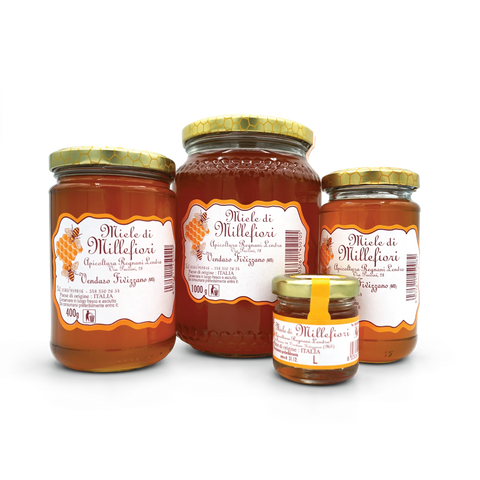
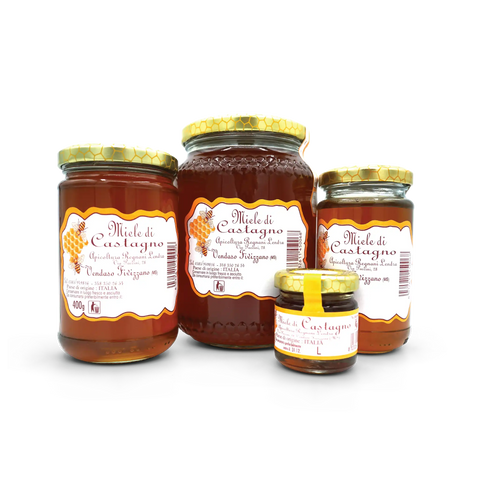
In our store you'll find a selection of artisanal honeys that will allow you to faithfully reproduce these traditional recipes, respecting the authenticity of ingredients and original flavors that have made these dishes immortal.

Begin your culinary journey through world cultures and discover how honey can transport you to distant lands, letting you taste millennial stories enclosed in every sweet bite.

More articles