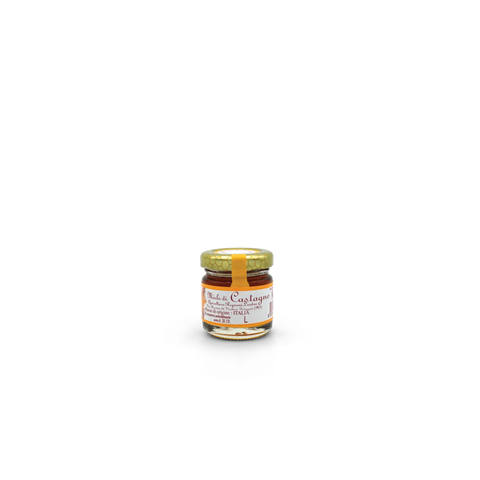
When my grandmother had a sore throat, she never reached for the medicine cabinet. She walked to the pantry, took out a jar of honey, and prepared her remedy: a spoonful of raw honey mixed with warm lemon water and a few drops of propolis. "The bees have already done the work," she would say. Decades later, science has caught up with her wisdom.
Raw honey, the kind that goes straight from the hive to the jar without pasteurisation or industrial filtering, contains over 200 beneficial substances that work together in ways that processed honey simply cannot replicate.
What makes raw honey a natural healer
The healing power of raw honey comes from its extraordinary composition. It contains natural enzymes, particularly glucose oxidase, which produces small amounts of hydrogen peroxide when honey comes into contact with moisture. This gives raw honey its well-documented antibacterial action, effective enough that hospitals around the world use medical-grade honey for wound care.
But the benefits go far beyond a single mechanism. Raw honey contains 22 amino acids, over 27 minerals, and a complex array of polyphenols and flavonoids that act as antioxidants. These compounds are fragile. They survive in raw honey because it has never been heated above the natural temperature of the hive, around 35 °C. Industrial pasteurisation, which heats honey to 65 to 78 °C, destroys many of these delicate substances.
Grandmother's remedy: For a stubborn cough, mix a tablespoon of raw chestnut honey with the juice of half a lemon and a pinch of ground ginger. Take it slowly, letting it coat the throat. Our family has used this remedy for generations, and we still find nothing works better.
Traditional uses that science now supports
Italian folk medicine has relied on honey for centuries, and modern research increasingly validates these traditions. For sore throats and coughs, raw honey coats and soothes inflamed tissue while its antibacterial properties help fight the underlying infection. Studies have shown it to be as effective as some over-the-counter cough suppressants, particularly in children over the age of one.
For digestive health, a teaspoon of raw honey on an empty stomach has long been a morning ritual in many Italian households. The natural enzymes support digestion, while the prebiotic oligosaccharides nourish beneficial gut bacteria. Acacia honey, with its gentle sweetness and high fructose content, is especially well tolerated by sensitive stomachs.
Applied externally, raw honey has been used for centuries to treat minor burns, cuts, and skin irritations. Its hygroscopic nature draws moisture to the wound while creating a protective barrier, and its antibacterial action helps prevent infection. Our beekeepers' hands, constantly in contact with honey and propolis, are living proof of these skin-nourishing properties.
Choosing the right raw honey for your needs
Not all raw honeys work the same way for every purpose. Darker honeys like chestnut and honeydew tend to have higher mineral content and stronger antibacterial properties, making them excellent for respiratory support and immune health. Lighter honeys like acacia are gentler on the stomach and better suited for digestive wellness and everyday use. Wildflower honey offers a broad spectrum of benefits thanks to the diverse pollen sources it contains.
When combined with other hive products, the benefits multiply. Propolis extract adds powerful antimicrobial action, while bee pollen contributes complete proteins and B vitamins. Our grandmother knew this instinctively. She always kept honey, propolis, and pollen side by side in the pantry, each with its own role in the family's natural medicine chest.
How to tell if your honey is truly raw
The simplest test is time. Genuine raw honey will crystallise naturally within weeks or months, depending on the variety. If your honey remains perfectly liquid after many months on the shelf, it has likely been heat-treated. Crystallisation is not a defect. It is proof that the honey retains its natural structure.
Look also at clarity. Raw honey is rarely perfectly transparent. It may appear slightly cloudy due to the presence of pollen, propolis particles, and natural wax traces. These are not impurities. They are part of what makes raw honey so beneficial.
Our promise: Every jar of Apicoltura Regnani honey is raw by definition. We extract at cold temperatures, filter only to remove the largest wax fragments, and never pasteurise. What you taste is exactly what the bees created.
Explore our complete range of raw artisanal honeys and experience the healing tradition that Italian families have trusted for generations.