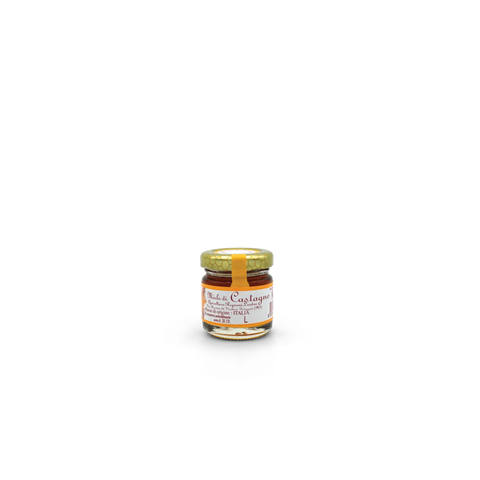
Long before sugar arrived in Europe, honey was the sweetener that shaped the world's pastry traditions. From sweet bread in ancient Egypt to medieval desserts across the continent, this golden ingredient was the foundation of every confection. Then came cane sugar, then beet sugar, cheaper and more standardised, and honey was gradually forgotten. Today, the best pastry chefs are rediscovering what our ancestors always knew: honey in pastry creates something that sugar alone never can.
What honey brings to your baking
Honey is not simply an alternative sweetener. It is an ingredient with unique properties that can transform your desserts in ways sugar cannot match. Its natural sweetening power means you need about 20% less than sugar to achieve the same sweetness, resulting in lighter desserts that are equally satisfying.
Thanks to its hygroscopic nature, honey retains moisture in doughs, giving baked goods a softer texture, a longer shelf life, and less tendency to dry out. Anyone who has ever bitten into a honey cake three days after baking it knows exactly what this means: it stays moist and tender when a sugar-based cake would have gone stale.
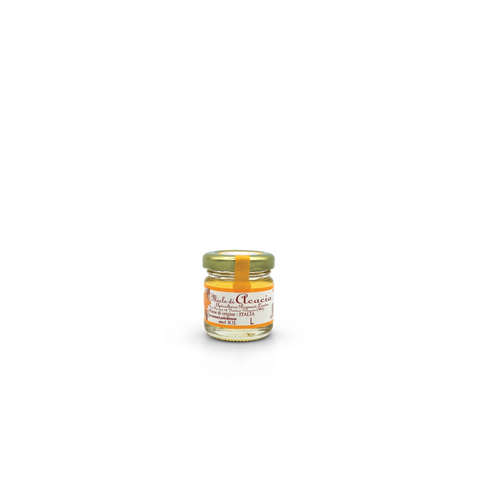
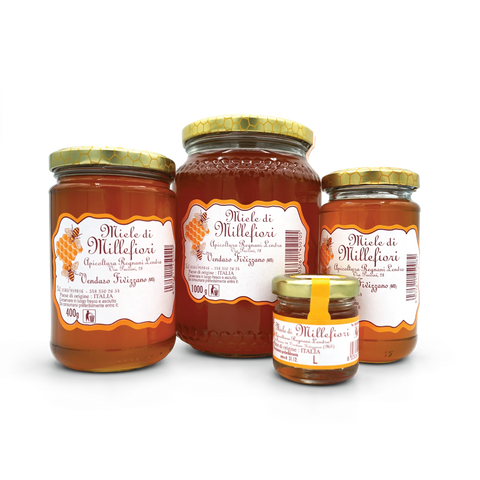
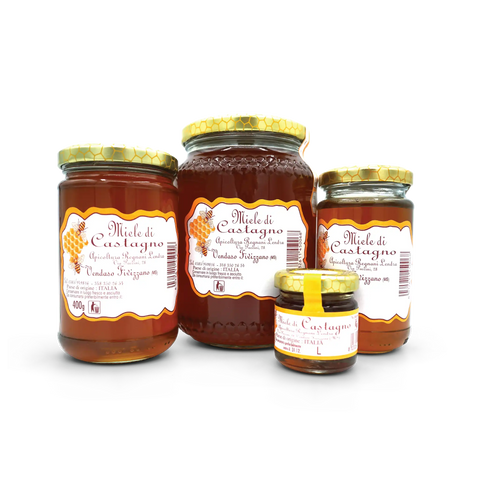
But the real magic lies in flavour. Unlike sugar, which adds only sweetness, each variety of honey brings a distinctive aromatic profile. Acacia honey contributes delicate floral notes that are perfect for creams and mousses. Chestnut honey brings robust, slightly bitter notes that balance very rich desserts. And wildflower honey adds an aromatic complexity to leavened doughs that is impossible to replicate with any other ingredient.
Pro tip: Acacia honey is our recommendation for panettone and brioche. Its neutral sweetness lets the butter and eggs shine, while its moisture-retaining properties keep these delicate doughs soft for days.
The art of substitution
Replacing sugar with honey in recipes requires understanding a few key principles. Use about 80 grams of honey for every 100 grams of sugar. Reduce the liquid ingredients by roughly a quarter, since honey is about 18% water. Lower the oven temperature by 15 to 20 °C, because honey caramelises at a lower temperature than sugar, giving you a beautifully golden crust if managed well, or a burnt one if you are not careful. And add a small pinch of baking soda to neutralise honey's natural acidity, which can otherwise affect the rise of your dough.
These adjustments become second nature after a few tries. The reward is a depth of flavour that refined sugar simply cannot provide.
Where honey shines brightest
In leavened doughs like brioche, challah, and panettone, honey enhances the yeast's fermentation while adding moisture that keeps the crumb tender for days. The natural sugars in honey feed the yeast slowly and steadily, producing a more complex, developed flavour in the final product.
In creams and custards, a spoonful of acacia honey replaces sugar with a subtle floral dimension. In biscotti and cookies, wildflower honey adds chewiness and depth. And in traditional Italian desserts like castagnaccio (chestnut flour cake) or the classic honey nougat of Southern Italy, honey is not a substitute at all. It is the irreplaceable star ingredient around which everything else revolves.
A tradition worth rediscovering
Some of the world's most beloved pastries have always been made with honey. German Lebkuchen, Italian pan pepato, Greek baklava, Neapolitan pastiera, and Jewish teiglach all depend on honey for their character. These recipes survived centuries precisely because honey gives them qualities that sugar cannot: depth, complexity, moisture, and a connection to the land where the bees foraged.
When you bake with artisanal honey, you are not just making a dessert. You are continuing a tradition that stretches back thousands of years, connecting your kitchen to the ancient Egyptian bakers, the medieval Italian confectioners, and the grandmothers who knew that the best sweetness comes not from a refinery, but from a hive.
Start here: Try replacing sugar with our wildflower honey in your next banana bread or carrot cake. The difference in moisture, flavour, and keeping quality will convince you after a single bite.
Explore our selection of artisanal honeys and bring the oldest sweetener in the world back to your kitchen where it belongs.