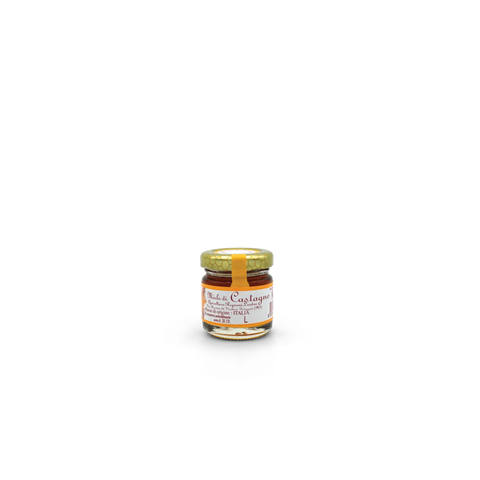
Vous tendez la main vers le placard pour prendre votre pot de miel et découvrez que le liquide doré s'est transformé en une masse épaisse, opaque et granuleuse. Votre premier réflexe serait peut-être de penser qu'il s'est dégradé. En réalité, c'est tout le contraire. La cristallisation du miel est l'un des signes les plus clairs que votre miel est pur, authentique et n'a pas été transformé industriellement.
Ce qu'est réellement la cristallisation
La cristallisation est un processus physique tout à fait naturel au cours duquel les sucres du miel, principalement le glucose et le fructose, s'organisent en structures cristallines ordonnées. La texture passe de liquide à solide ou semi-solide, mais chaque propriété nutritionnelle et organoleptique reste parfaitement intacte. Rien n'est perdu, rien n'est altéré. Le miel change simplement de forme, de la même manière que l'eau se transforme en glace sans perdre aucune de ses propriétés essentielles.
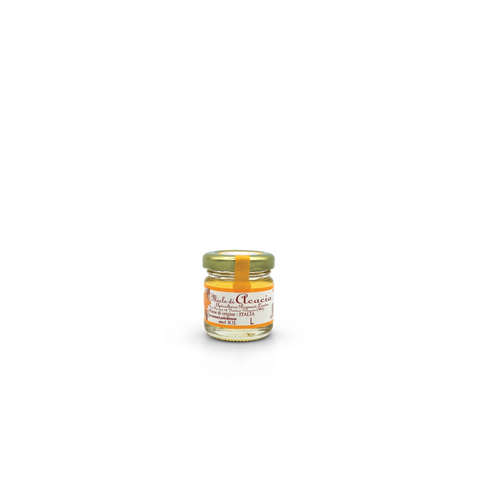
La vitesse et le caractère de la cristallisation dépendent principalement du rapport entre glucose et fructose. Les miels contenant une proportion plus élevée de glucose cristallisent plus rapidement et plus finement. Les miels plus riches en fructose restent liquides plus longtemps, voire ne cristallisent jamais. C'est pourquoi le miel d'acacia demeure magnifiquement liquide pendant des mois, alors que le miel de tournesol se solidifie en quelques semaines en une masse crémeuse et fine.
Le test d'authenticité : Si un miel reste parfaitement liquide pendant de longs mois en rayon, il a presque certainement été pasteurisé ou ultrafiltré. Un véritable miel brut issu de la plupart des sources florales cristallisera naturellement avec le temps. Ce n'est pas un défaut. C'est une preuve de qualité.
Ce qui influence le processus
Plusieurs facteurs, au-delà de la composition en sucres, affectent la façon dont le miel cristallise. La température joue un rôle important : la plage idéale pour la cristallisation se situe entre 10 et 18 °C. En dessous, le processus ralentit considérablement. Au-dessus de 25 °C, il s'arrête presque entièrement. C'est pourquoi un miel conservé dans un cellier frais cristallisera plus vite qu'un miel gardé dans une cuisine chaude.
La présence de particules naturelles compte également. Les grains de pollen, les minuscules fragments de cire et autres éléments microscopiques agissent comme des « germes » autour desquels les cristaux se forment. C'est la raison pour laquelle le miel industriel fortement filtré cristallise plus lentement. Les particules naturelles qui auraient amorcé le processus ont été éliminées, emportant avec elles une grande partie de la valeur nutritionnelle du miel.
Pourquoi la cristallisation est un signe de qualité
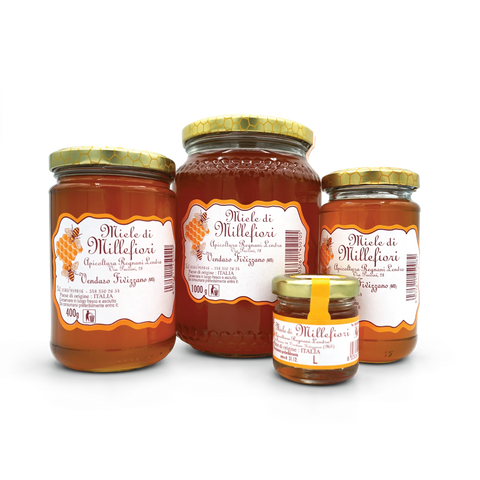
Lorsque notre miel toutes fleurs cristallise sur votre étagère, il vous dit trois choses importantes. Premièrement, qu'il est pur et non frelaté. Les miels dilués avec des sirops industriels ou soumis à des traitements thermiques extrêmes ne cristallisent souvent pas de manière naturelle. Deuxièmement, que ses propriétés bénéfiques sont préservées : les enzymes, les vitamines, les composés aromatiques volatils et les substances antibactériennes qui font la valeur du miel sont toujours présents. Troisièmement, qu'il a été récolté récemment et n'a pas subi de traitements qui altèrent sa composition naturelle.
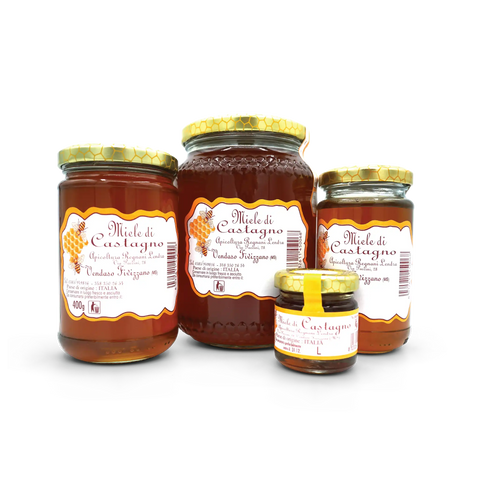
Le type de cristallisation peut même révéler l'origine botanique du miel. Des cristaux fins et crémeux évoquent un miel riche en glucose comme le tournesol ou le colza. Des cristaux moyens et granuleux sont caractéristiques du châtaignier ou du miel toutes fleurs. Et une cristallisation très lente ou absente indique des variétés riches en fructose comme l'acacia ou le miellat.
Comment utiliser le miel cristallisé
Si vous préférez votre miel liquide, la solution est simple : placez le pot dans un bain d'eau tiède à 40 °C maximum et remuez doucement de temps en temps. Les cristaux se dissoudront progressivement, rendant au miel son état liquide. N'utilisez jamais le micro-ondes ni une source de chaleur directe, car les températures supérieures à 45 °C commencent à dégrader les enzymes et les composés qui font tout l'intérêt du miel brut.
Mais nous vous encourageons à essayer le miel cristallisé tel quel. Tartinez-le sur du pain chaud, dont la chaleur le ramollit juste ce qu'il faut. Incorporez-le dans un porridge, où sa texture granuleuse apporte un contraste agréable. Ou savourez-le simplement à la cuillère, en laissant les cristaux fondre lentement sur votre langue pour libérer leur saveur concentrée.
Notre façon préférée : Du miel toutes fleurs cristallisé tartiné sur une épaisse tranche de pain au levain, garni d'un émiettement de pecorino affiné. La texture granuleuse du miel contre le croustillant du pain et le sel du fromage est l'une des choses les plus simples et les plus satisfaisantes que nous connaissions.
Accueillez la cristallisation pour ce qu'elle est vraiment : un signe de qualité. Explorez notre collection de miels artisanaux bruts et faites l'expérience du miel tel que la nature l'a voulu.